
Physical AI Is The Next Big Chip Story
Robots, cameras, machines, and edge devices need AI that reacts in the real world. That is why chip makers are chasing physical AI so hard.
Market Pulse
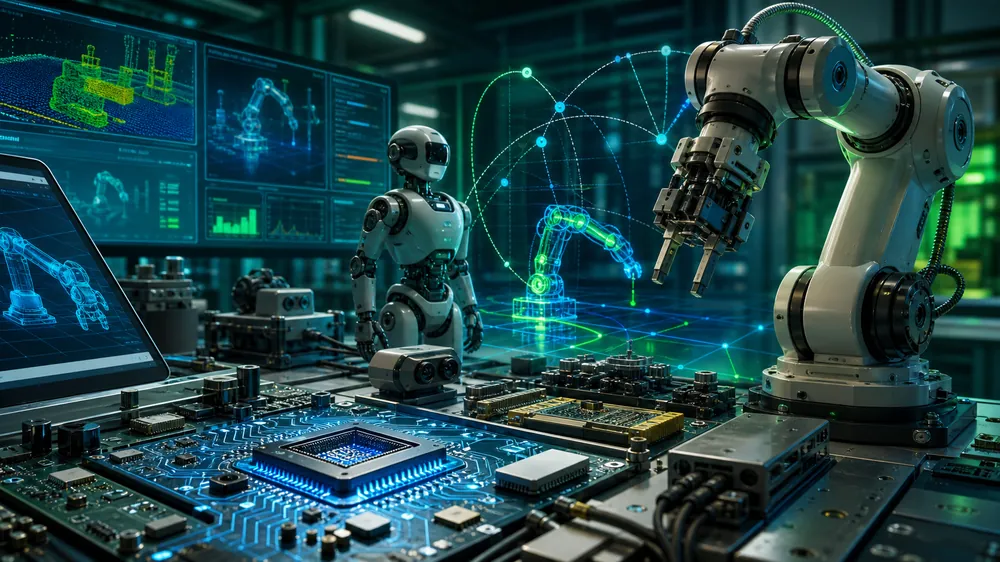
AI is leaving the chat box and entering machines. Robots need to see, decide, and move without waiting for a cloud server every time. This is why edge AI processors, robotics chips, and mixed compute systems are getting attention. A robot serving drinks, sorting packages, or checking a factory floor must handle vision, motion, safety, and timing together.
Why This Is Trending
The market wants machines that can work in messy real places. That means AI hardware must be fast, power-efficient, and close to the sensors. For students, this is a great reminder that AI is not only software. It is also cameras, motors, memory, chips, and control systems working together.
What To Watch Next
The Simple Meaning
If you remember only one thing from this story, remember this: the technology market is moving from single-purpose tools to intelligent systems that can sense context, act faster, and reduce repeated work. The companies that make this useful, affordable, safe, and easy to understand will shape the next wave of products.