Tech News
Claude Skills Unlocked: The AI Playbook Nobody Talks About
Skills are what turn Claude from a chat window into a full thinking partner. This is the complete guide to unlocking everything it can do for you.

Space, AI, hidden tech breakthroughs, and the market trends shaping the future — all in plain English.
Skills are what turn Claude from a chat window into a full thinking partner. This is the complete guide to unlocking everything it can do for you.
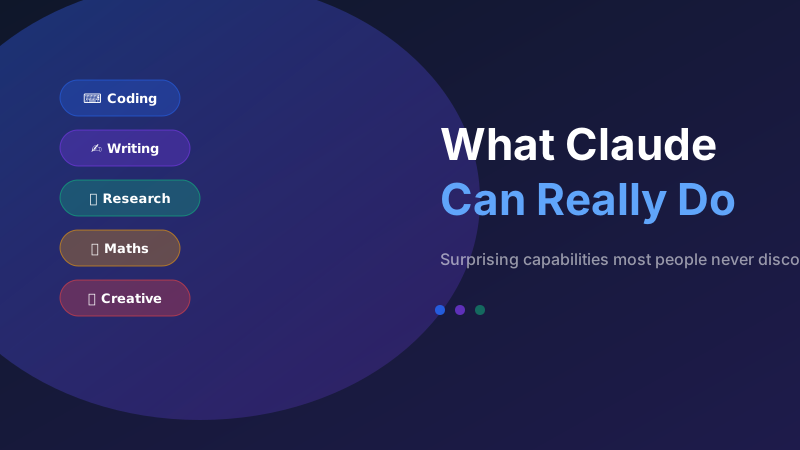
Most people use Claude like a fancy search engine. That is like using a spaceship to pick up groceries. Here is a real look at what this AI can actually do.
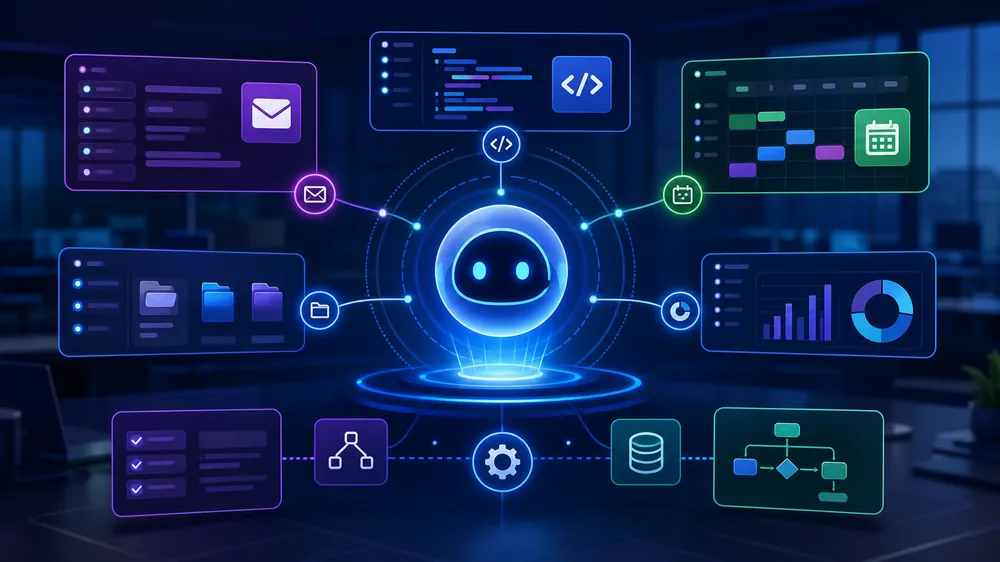
The agent trend is getting real: tools that do not only answer questions, but also connect apps, follow steps, and finish boring work.
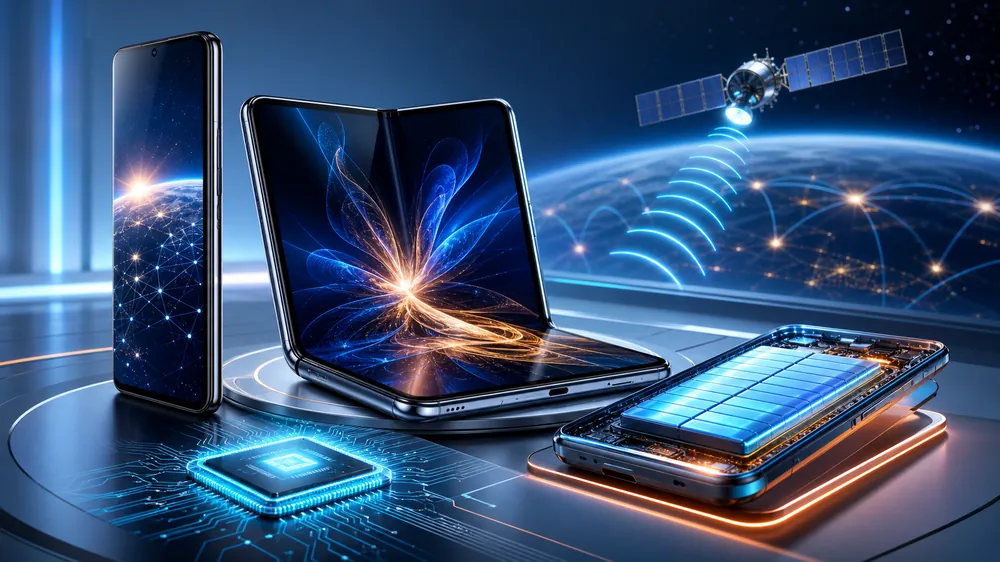
AI phones, foldables, and satellite links are pushing the smartphone market beyond the old camera-and-battery race.
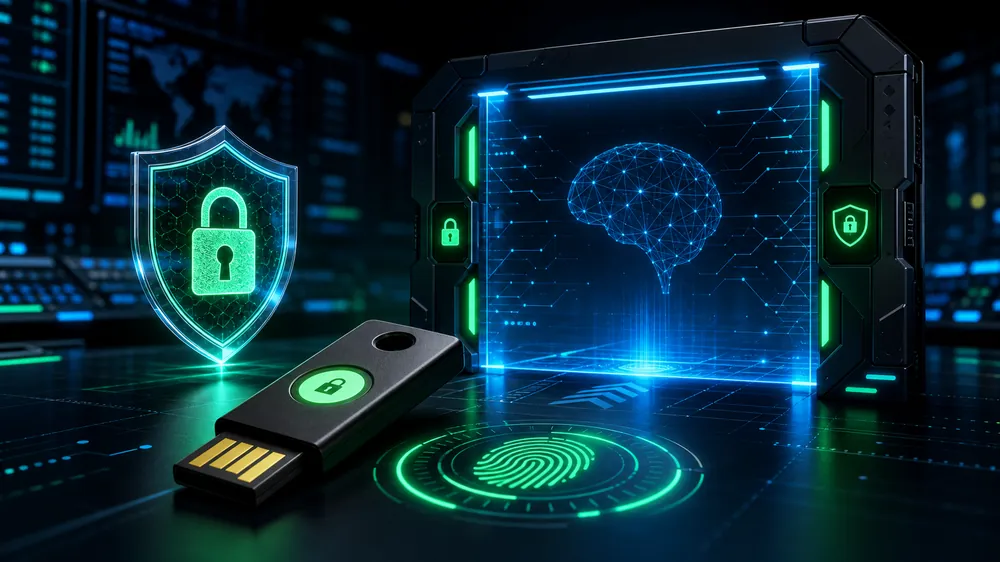
If AI agents can act for us, logging in safely becomes more important. Passwords are too weak for a world of automated helpers.
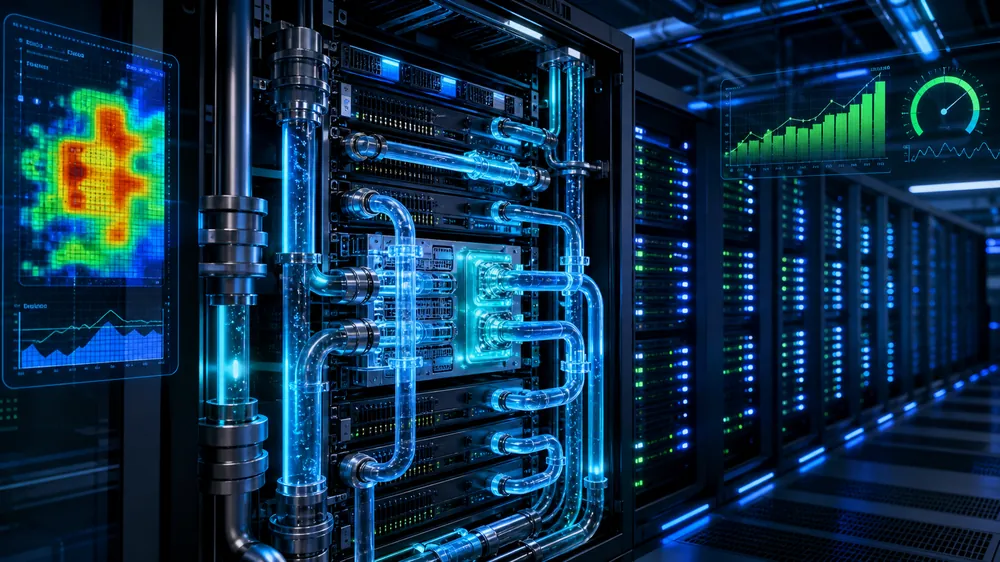
AI servers are getting denser, hotter, and hungrier. The hidden innovation is now pipes, coolant, power design, memory, and networking.
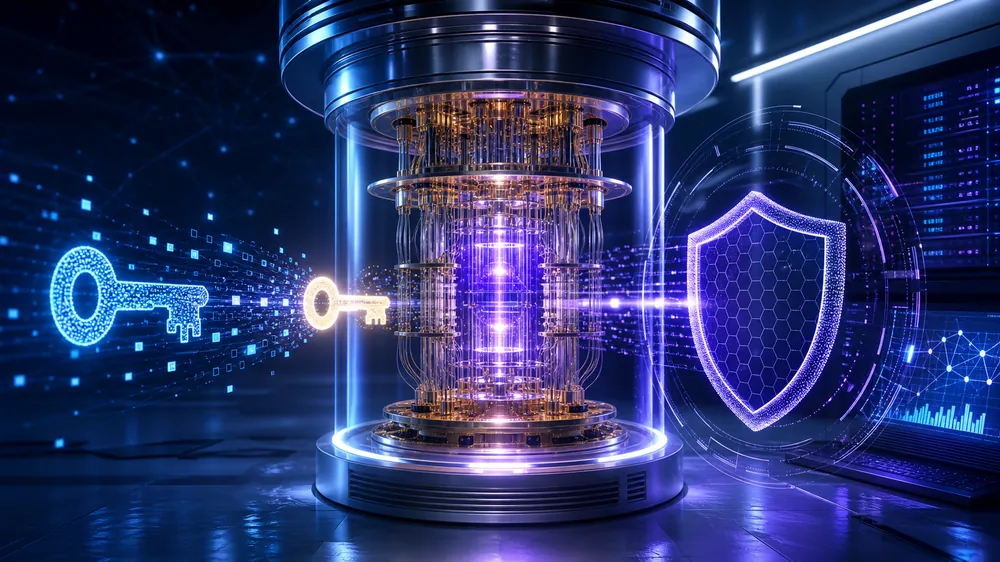
Quantum computers are not breaking everyday encryption today, but companies are already preparing because security migrations take years.
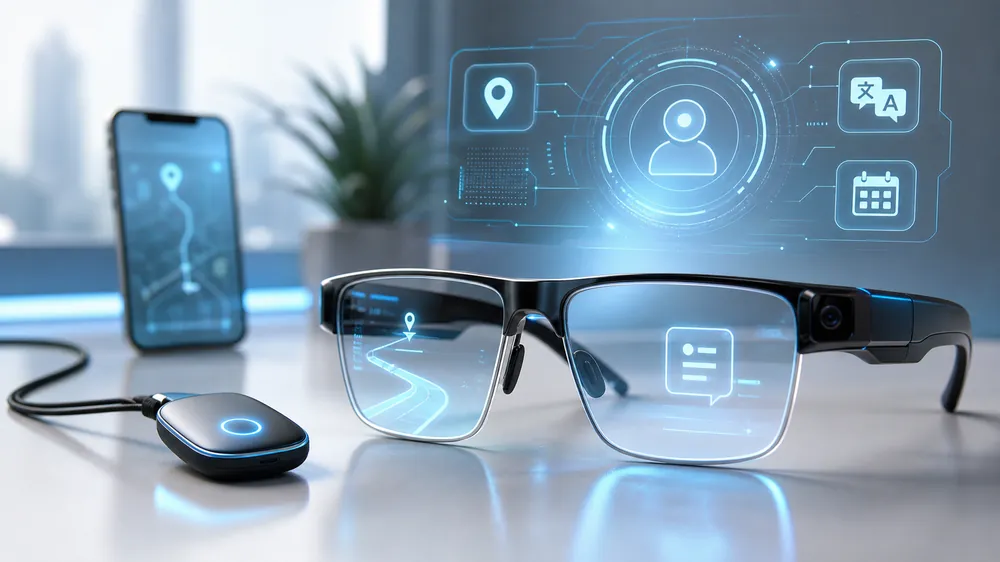
AI glasses are no longer just a sci-fi prop. The race now is about lightweight design, instant translation, camera context, and all-day usefulness.
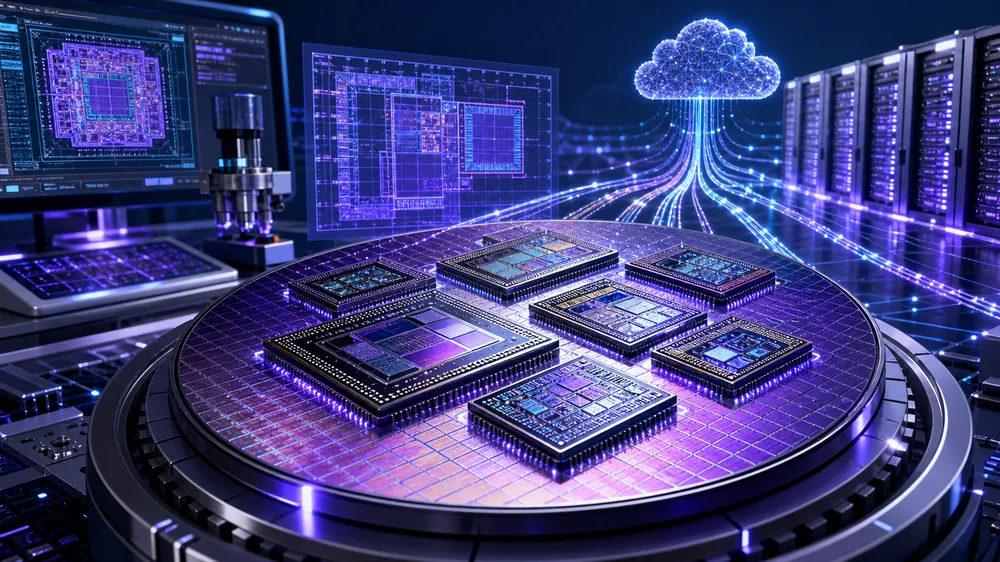
Custom AI chips are becoming a serious alternative to buying the same accelerators as everyone else. The reason is cost, control, and scale.
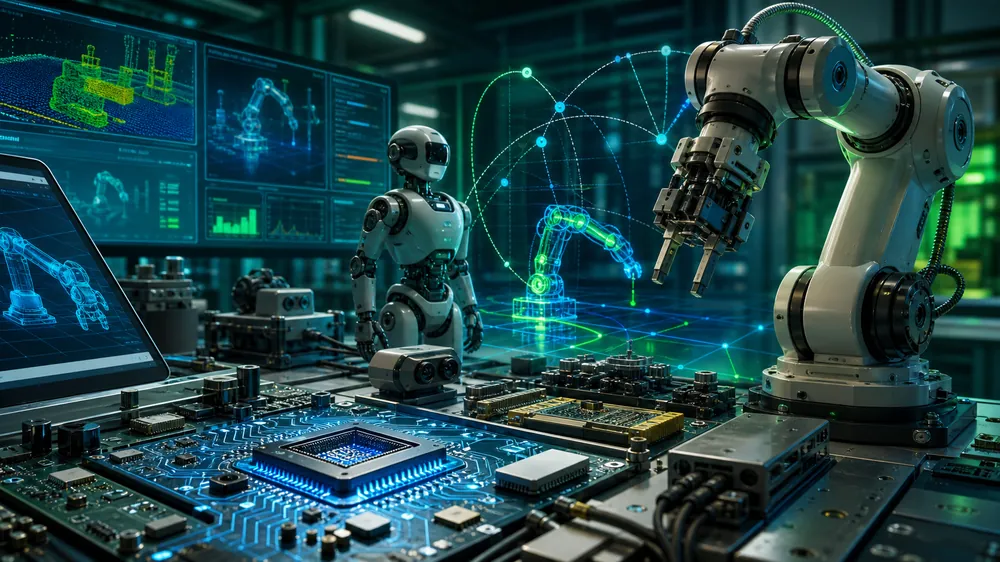
Robots, cameras, machines, and edge devices need AI that reacts in the real world. That is why chip makers are chasing physical AI so hard.
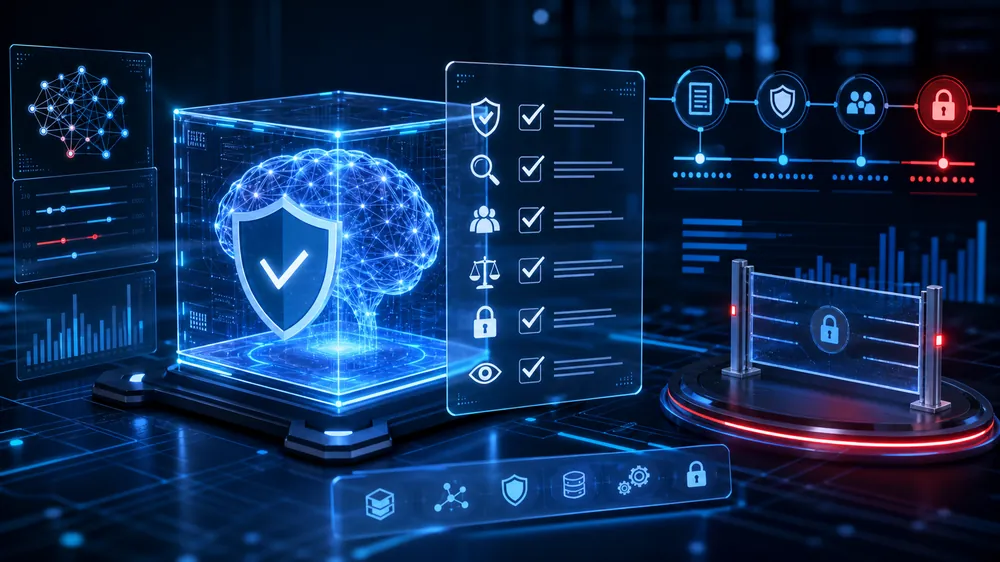
Governments and AI labs are moving toward earlier testing of powerful models. The quiet question is simple: who gets to check the model before the public does?
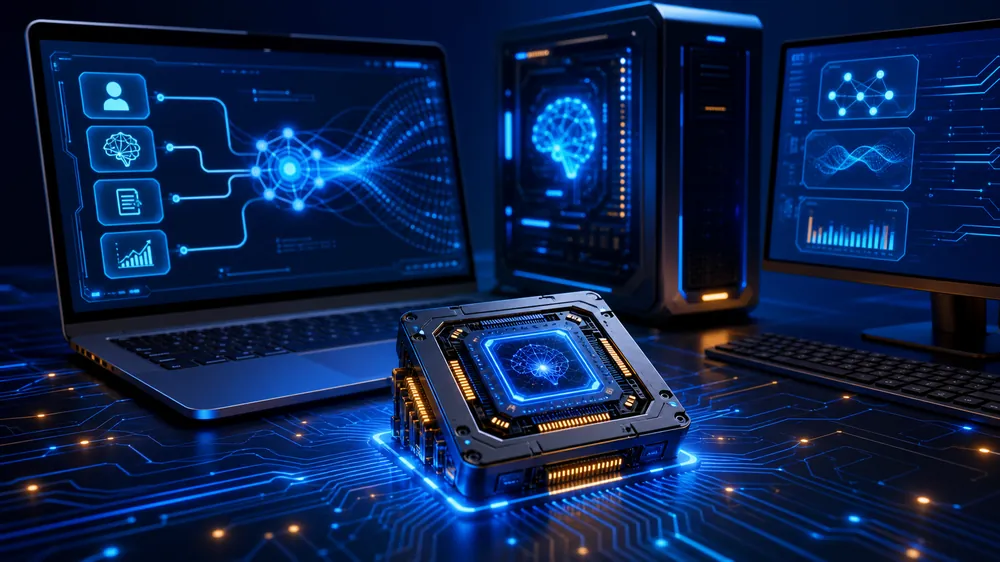
The next PC battle is not only about faster screens or thinner bodies. It is about running useful AI agents locally, privately, and without waiting for the cloud.
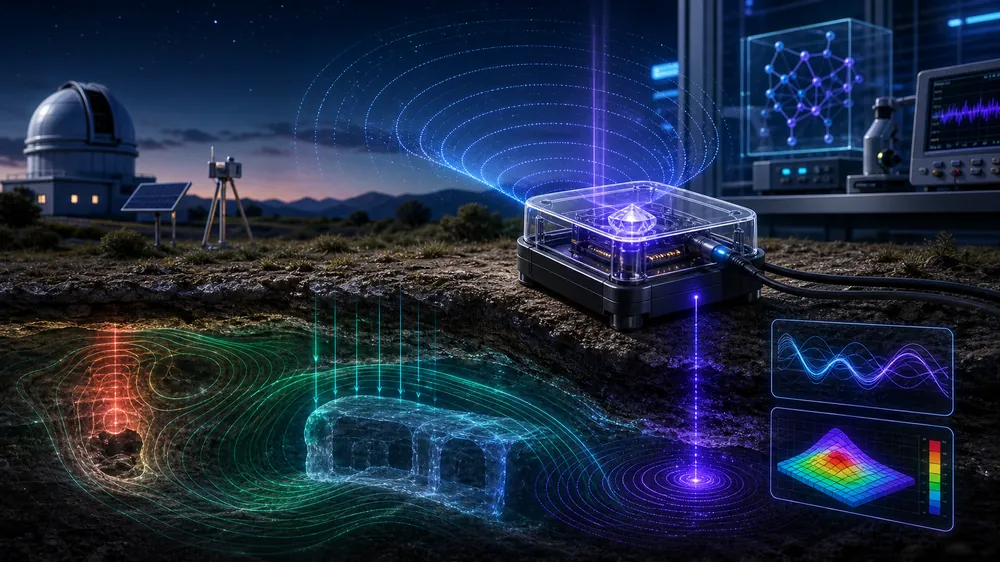
Quantum sensors use tiny physical effects to measure magnetic fields, gravity, time, and motion with extreme care. The applications are quietly huge.
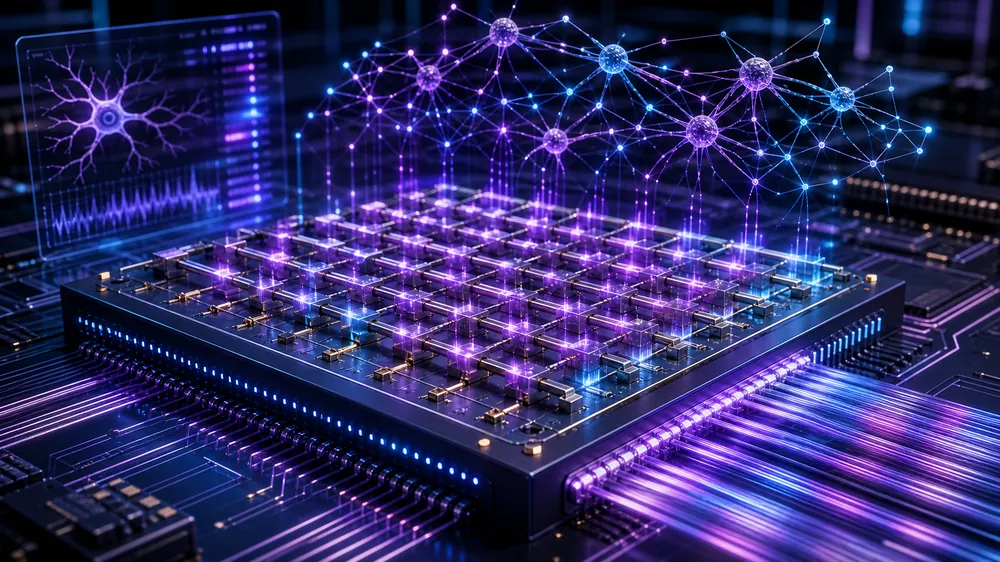
Memristors and analog AI chips process information inside the memory itself. That could reduce the energy wasted moving data back and forth.
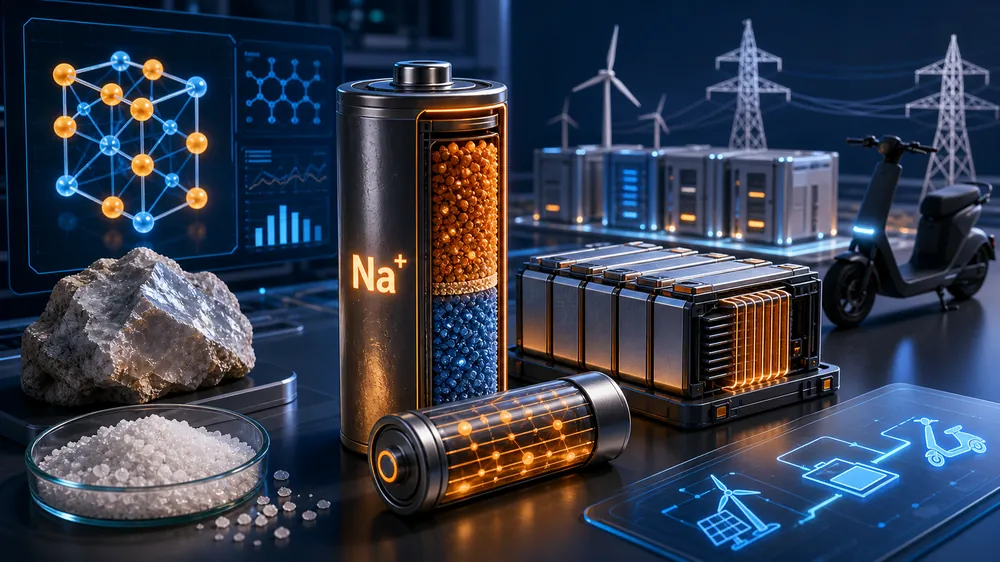
Lithium gets the spotlight, but sodium-ion batteries are becoming a serious option for cheaper storage where weight is not the biggest problem.

Reconfigurable intelligent surfaces are like programmable mirrors for wireless signals. They could help future networks reach around corners.
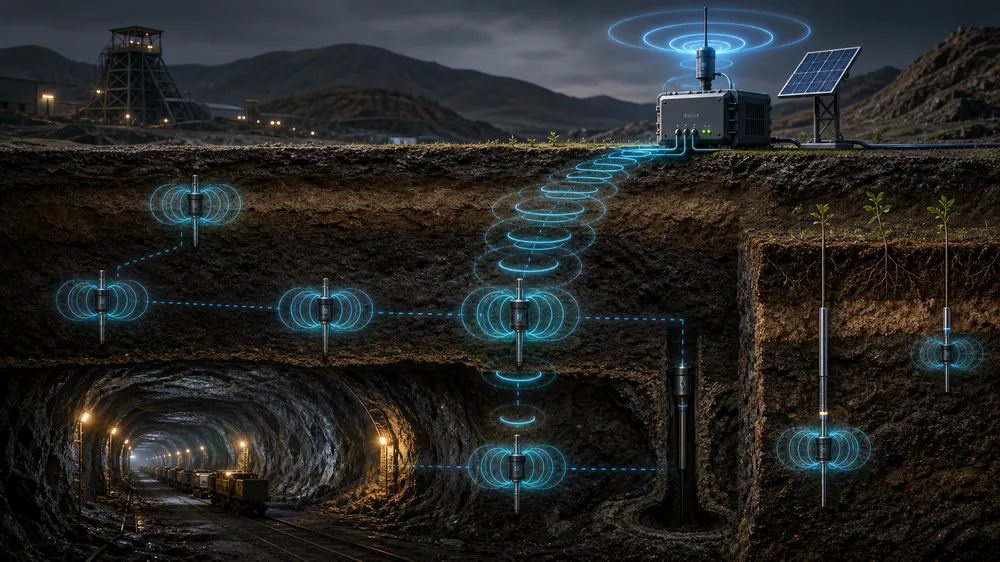
Normal radio signals struggle underground. Magnetic and low-frequency communication research could connect mines, farms, tunnels, and buried sensors.
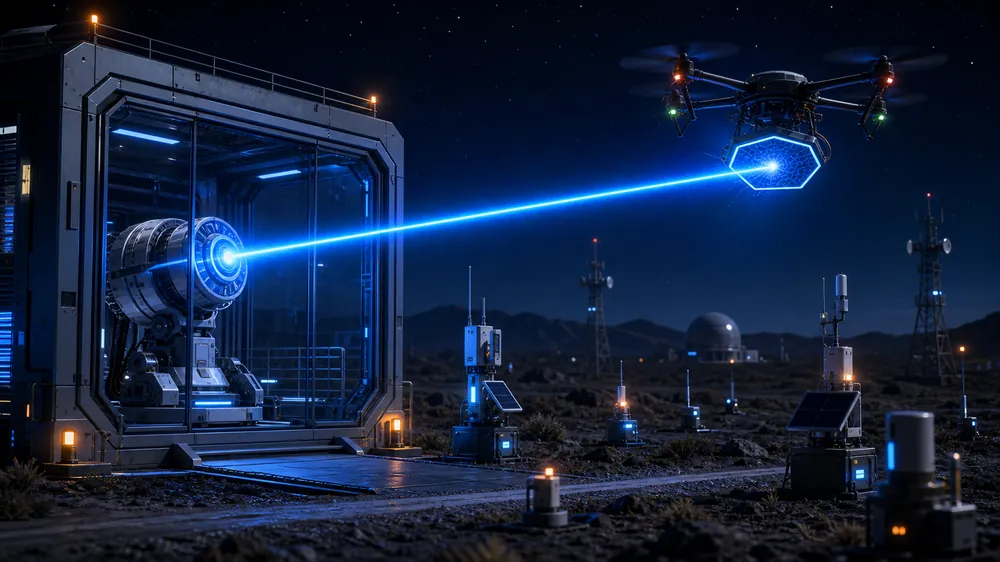
Power beaming is not just a sci-fi dream. Engineers are testing ways to send energy through light to drones, sensors, and remote equipment.
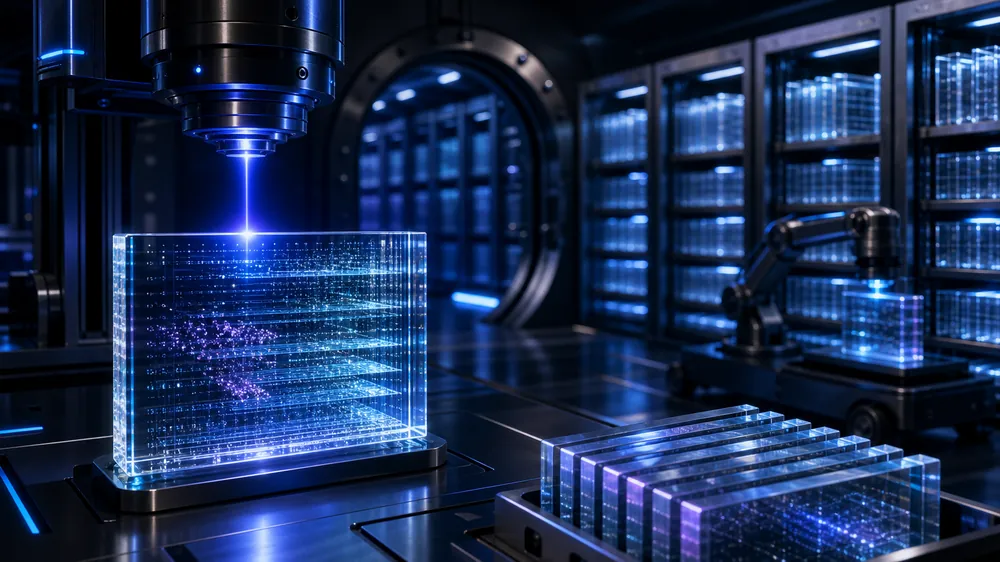
Ultra-durable glass storage is a quiet attempt to solve a boring but huge problem: how do we keep important data safe for 100 years or more?
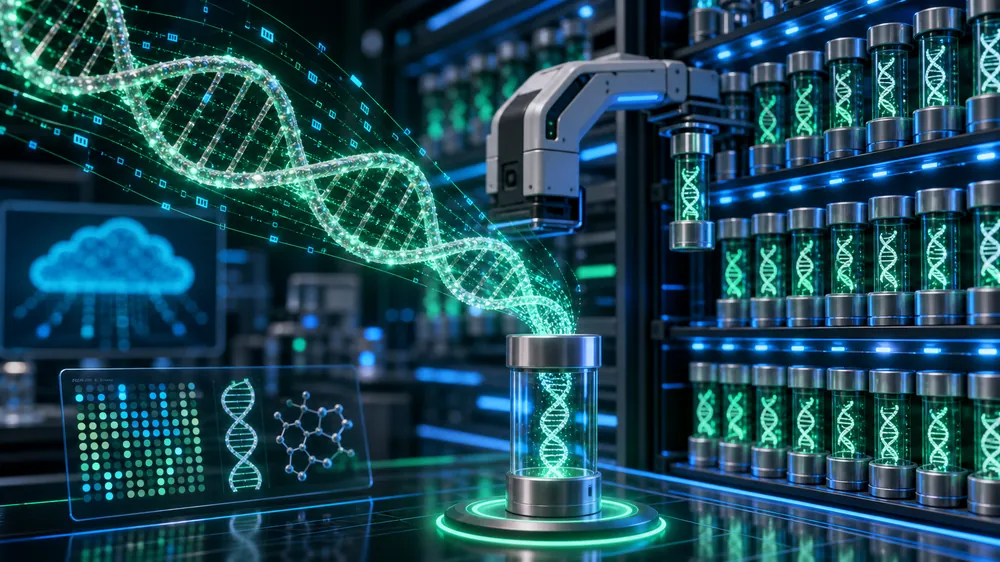
DNA is nature own storage format. Scientists are learning how to write digital files into molecules, which could make long-term archives unbelievably tiny.
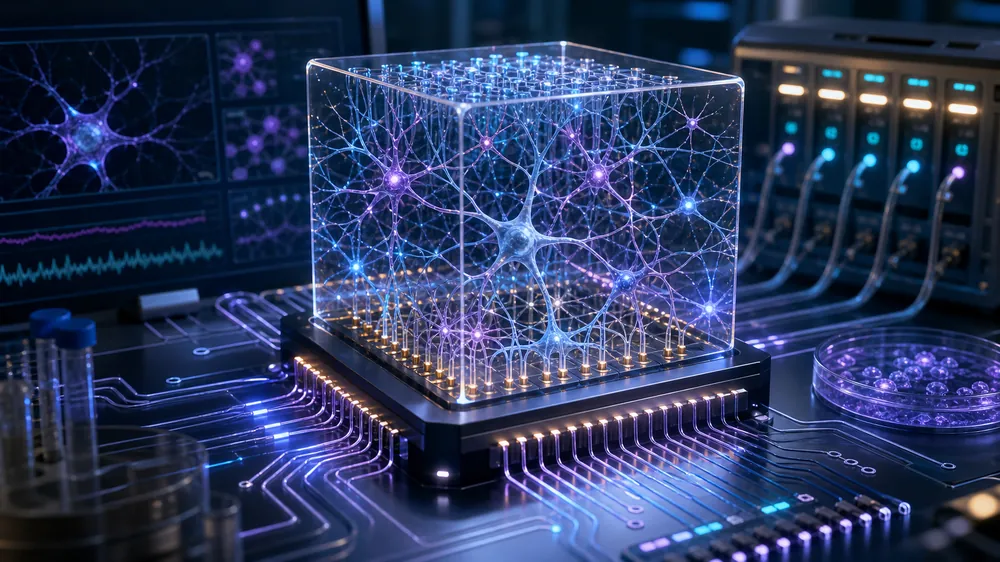
Biocomputing uses living cells with electronics. It is still early, but the idea is strange, powerful, and not as far away as most people think.
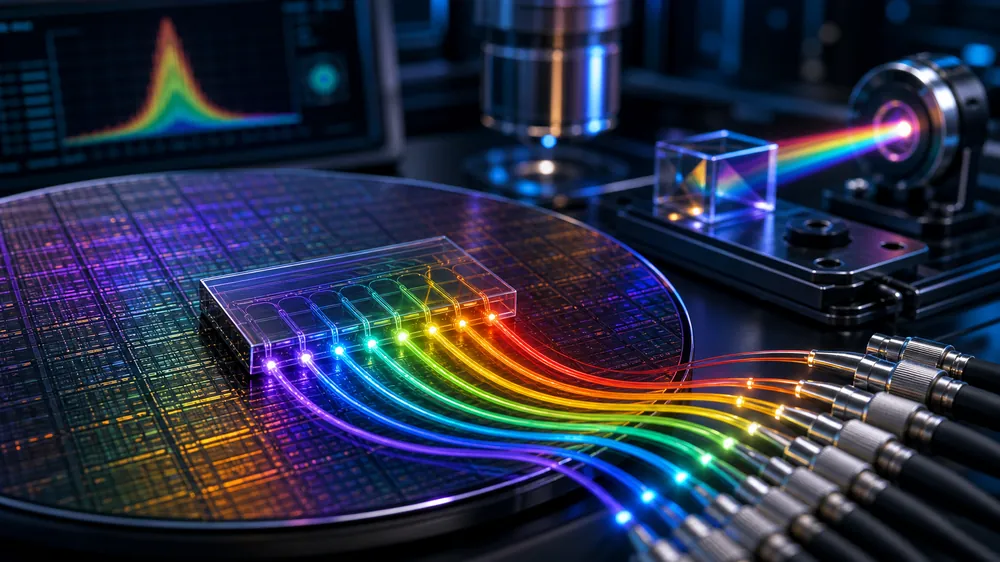
Researchers are shrinking advanced lasers onto chips. It sounds small, but this hidden discovery could affect data centers, sensors, medicine, and future computers.
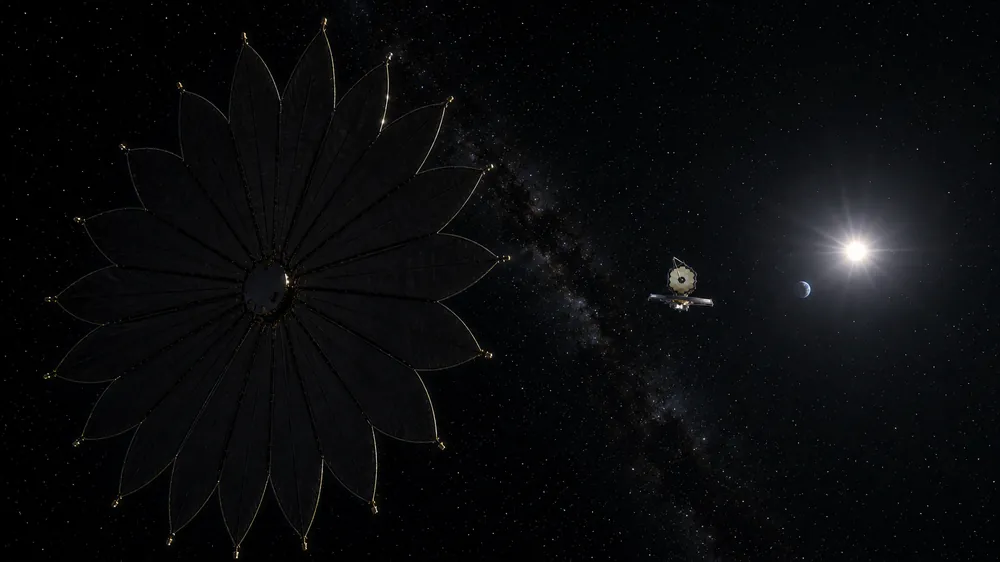
To see a faint planet beside a blazing star, one idea is simple and wild: fly a giant flower-shaped shade far in front of a telescope.
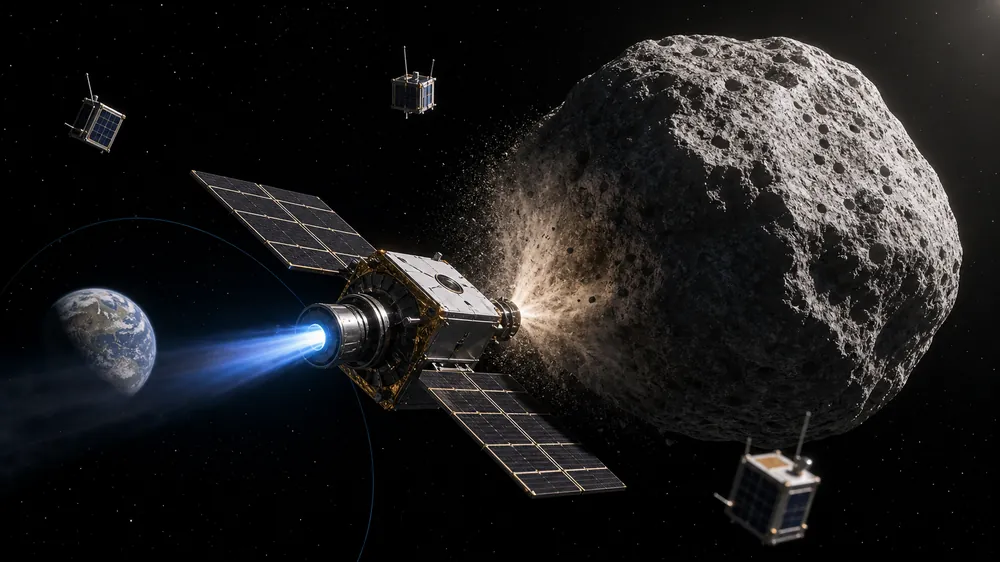
This is not movie science anymore. A spacecraft has already hit an asteroid and measurably changed its motion.
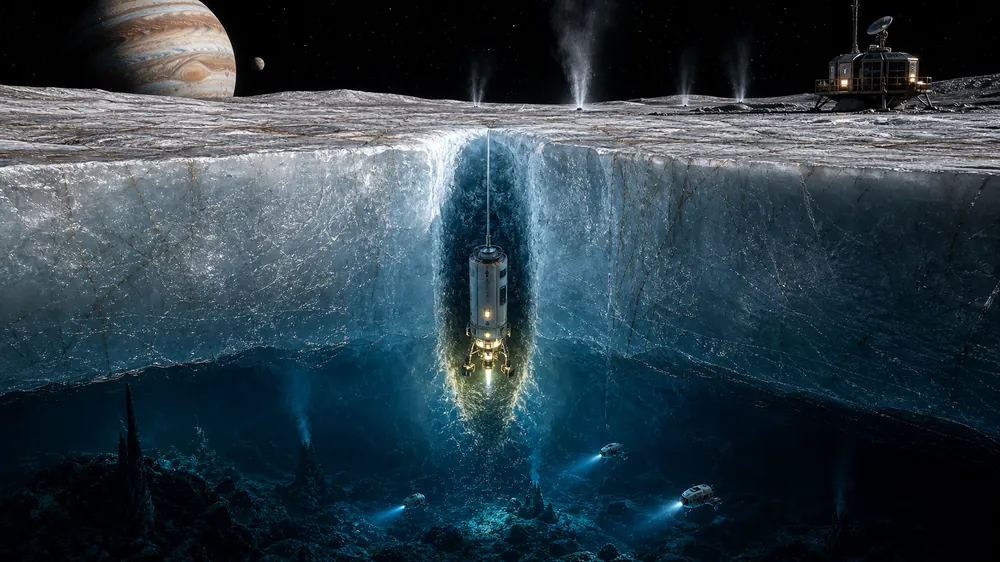
Europa and Enceladus may hide oceans below ice. A future robot could melt downward, release tiny swimmers, and search for chemistry that hints at life.
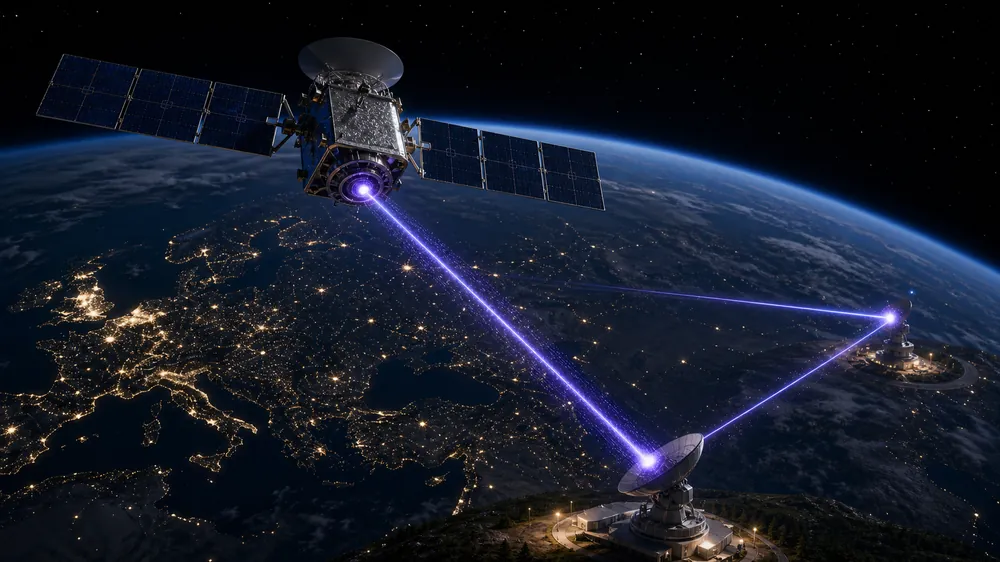
Quantum communication uses fragile particles of light as security signals. If it scales, satellites may become part of the future trust network.
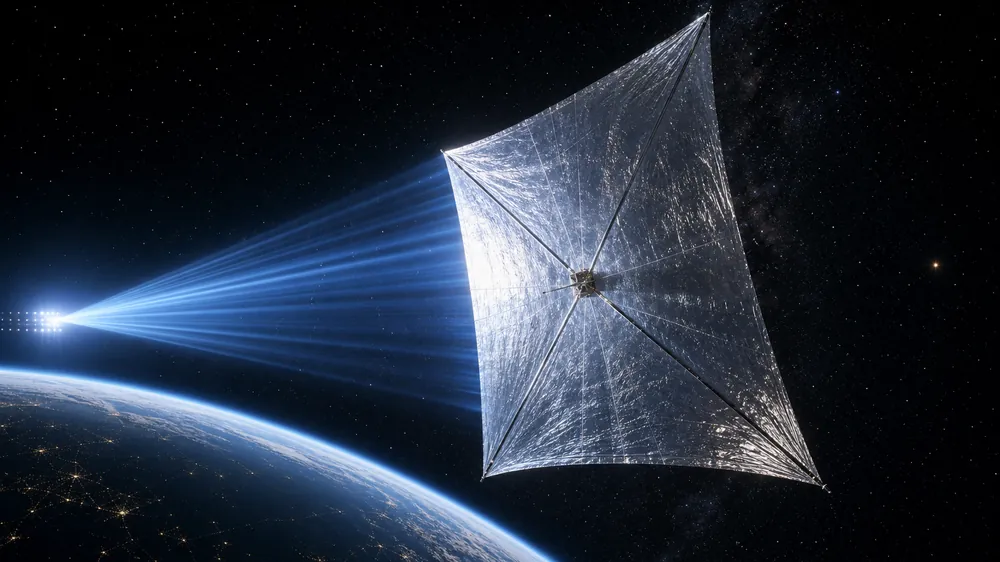
Instead of carrying fuel, a wafer-sized spacecraft could ride a beam of light. It sounds absurd, but it is one serious path to interstellar probes.
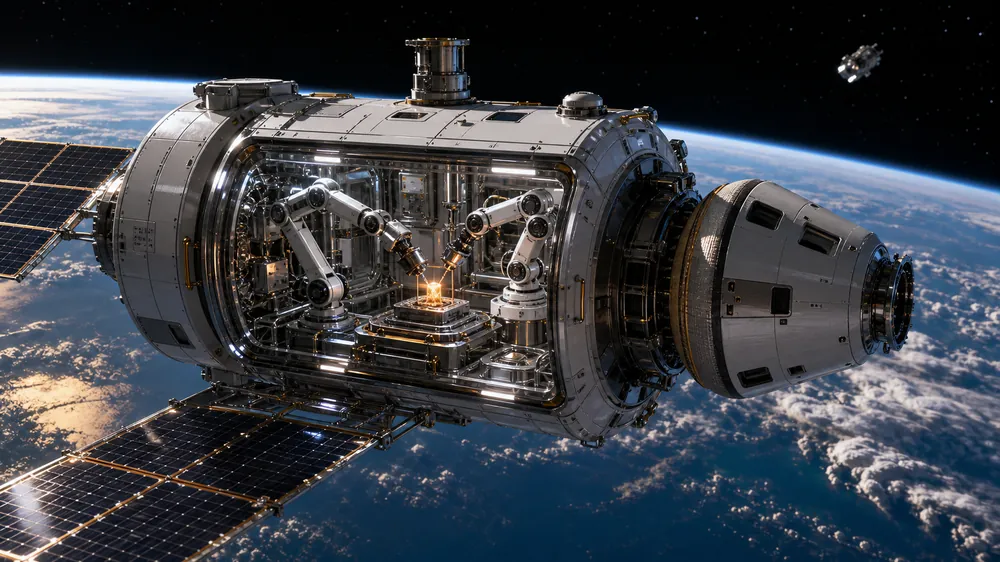
Microgravity changes how materials form. That means orbit may become a workshop for crystals, fibers, medicines, and products that are difficult to make on Earth.
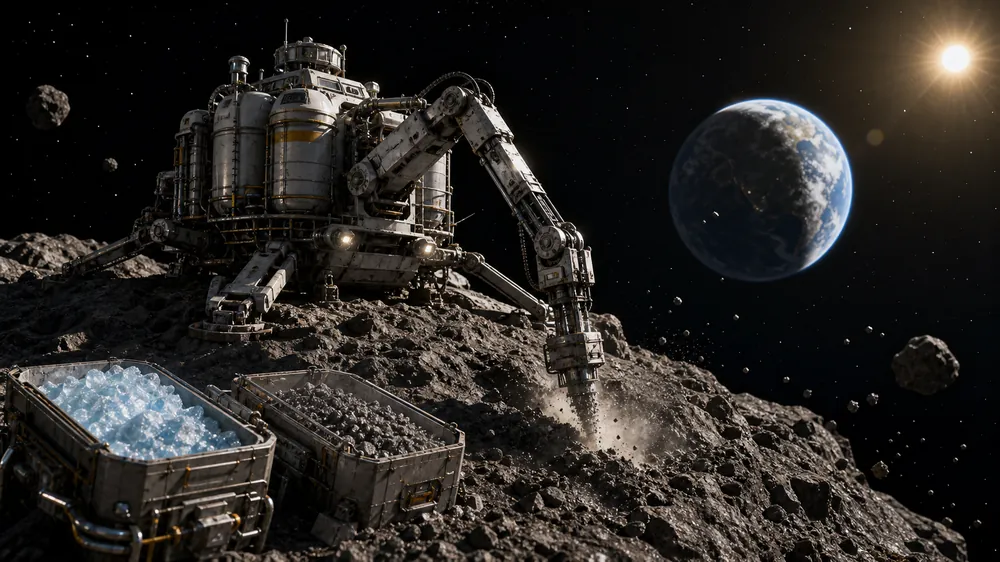
People imagine space miners chasing rare metals, but the first valuable space resource may be simple and magical: water.
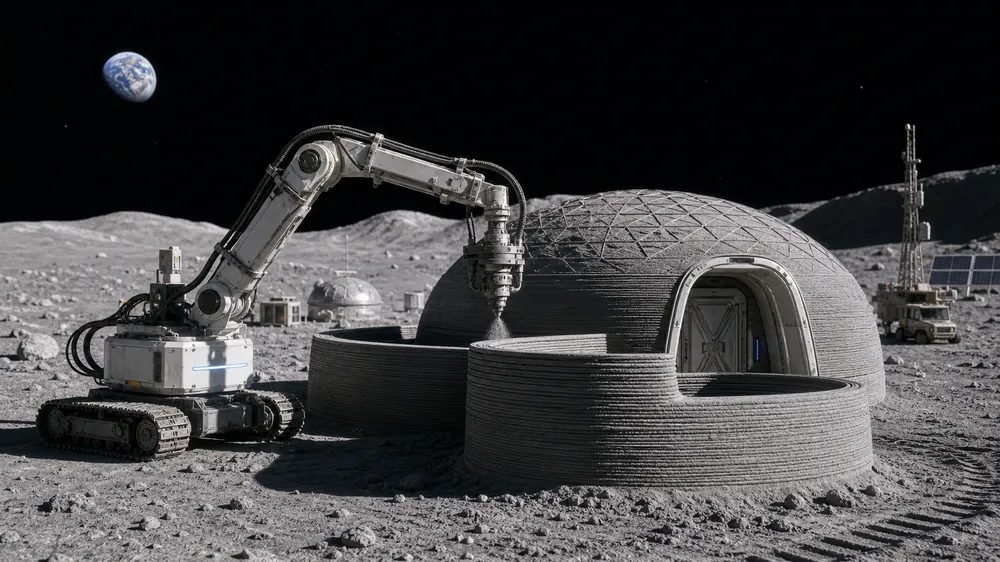
The Moon has no hardware store, so future habitats may be printed from local soil by robots before crews even land.
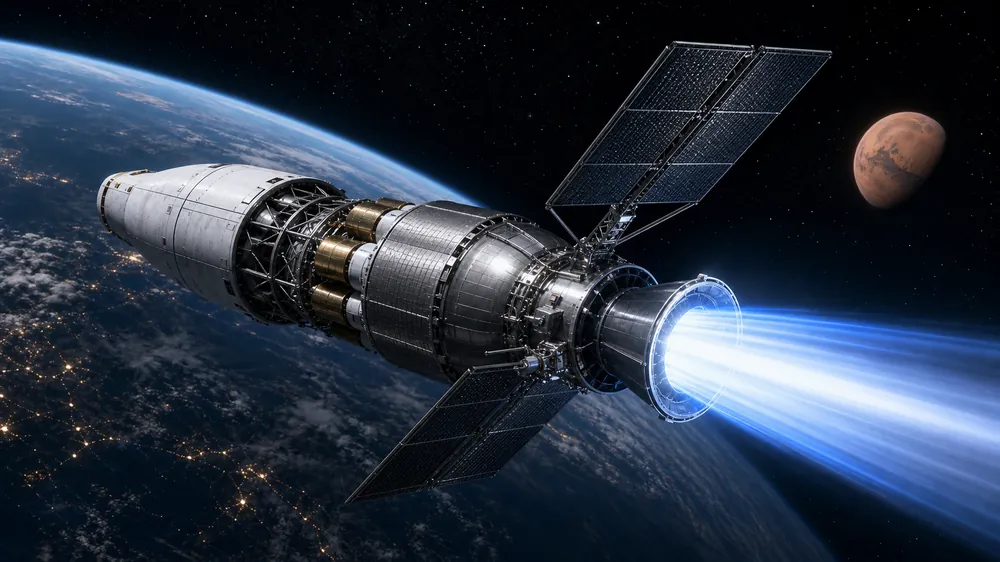
Chemical rockets got humans to the Moon. Nuclear thermal rockets ask a bigger question: can deep-space travel become faster and less punishing?
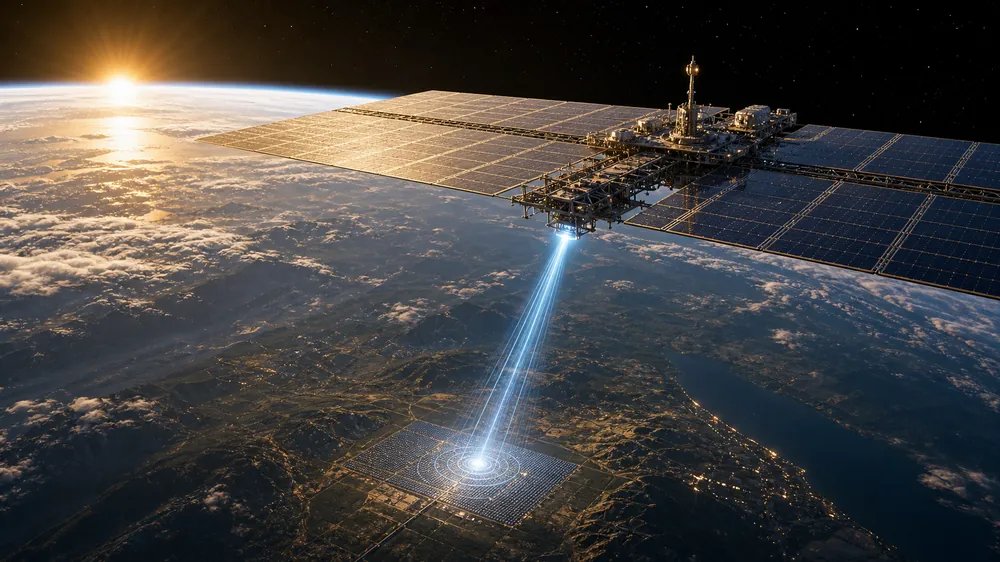
Space solar power sounds unreal until you remember that satellites already collect sunlight above the clouds. The bold idea is to send that energy back to Earth safely.